


McHenry Hohnen Chardonnay Laterite Hills 2024
A biodynamically farmed Margaret River Chardonnay with freshness, savoury texture and quiet structure. Relaxed yet complete, it has enough depth to follow a meal and works beautifully with roast chicken, seafood or creamy pasta.
Wine Details
Tasting Notes


How This Wine Feels In The Glass
What This Wine Loves With

Seafood

Shellfish

Oysters

Pasta

White Meat

Cheese
What We Drink This With.
Pairs beautifully with

SEAFOOD

PASTA

meat
Why we chose this wine
A Southern Margaret River Chardonnay with freshness, texture and quiet power
This is Chardonnay with generosity, but also precision. It has the depth and texture people love in the variety, balanced by the long, savoury freshness that defines southern Margaret River.
The first impression is bright and aromatic: lime, white peach and fresh ginger, followed by subtle notes of flint, toasted almond and nougat. The palate is concentrated without feeling heavy, combining ripe stone fruit with fine chalky texture, restrained oak and a clean mineral finish.
It is a serious Chardonnay, but not a difficult one. Pour it with food, give it a little time in the glass and let the layers unfold.
The 2024 vintage
The 2024 growing season began early in Margaret River.
Good winter rainfall was followed by a warm spring, encouraging the vines to develop healthy canopies ahead of schedule. Summer remained warm and dry, with little disease pressure and exceptionally clean fruit at harvest.
The white grapes ripened over a relatively compressed period. They arrived at the winery with expressive flavour, natural concentration and enough acidity to preserve freshness.
For Chardonnay, the season produced a particularly satisfying balance: ripe fruit and generous texture supported by energy, precision and a strong sense of place.
The vineyards
Laterite Hills Chardonnay brings together fruit from McHenry Hohnen’s family-owned vineyards in southern Margaret River, including Hazel’s Vineyard, Calgardup Brook and Burnside.
Each vineyard contributes something different.
Hazel’s Vineyard lies inland near Witchcliffe. Its free-draining ironstone gravel-loam soils and cooling Southern Ocean influence give the wine structure, savoury depth and fine phenolic tension.
Calgardup Brook sits closer to the coast in the cooler Karridale area. Maritime breezes and ancient soils help produce Chardonnay with aromatic lift, purity and mineral drive.
Burnside adds fruit concentration, texture and generosity.
Together, the vineyards create a broader expression of southern Margaret River Chardonnay—layered and complete, while retaining the individuality of the sites from which it comes.
Biodynamic farming
McHenry Hohnen manages its estate vineyards using biodynamic methods, with a long-term focus on soil health, biodiversity and resilient vines.
Rather than treating the vineyard as a simple production system, the team works with it as a living environment. Cover crops improve soil structure and attract beneficial insects. Compost made from grape skins, seeds, stems and local cattle manure is returned to the vineyard after harvest.
Synthetic chemicals are avoided, while native birds, bees and beneficial insects are encouraged to become part of the vineyard’s natural balance.
The aim is healthier soil and fruit that arrives at the winery with clarity, flavour and natural balance already in place.
How is it made?
The Chardonnay grapes are picked by hand and whole-bunch pressed to extract the juice gently.
Fermentation begins naturally with wild yeasts. The juice ferments with its solids in French oak barriques and larger puncheons, including a modest proportion of new oak.
Working with full solids adds texture and savoury complexity, while the restrained use of new oak provides shape without covering the fruit.
Malolactic fermentation is avoided, helping the wine retain its natural acidity and bright citrus character. It then matures in barrel for approximately ten months before bottling.
This is minimal-intervention winemaking, but it is not hands-off. Every stage is carefully managed to preserve the fruit, texture and character of the vineyards.
The McHenry Hohnen story
McHenry Hohnen is a family-owned producer based in the southern part of Margaret River.
Founder Murray McHenry has spent decades developing an approach centred on vineyard health, site expression and careful, sustainable farming. The estate works across three distinctive family vineyards, growing Chardonnay, classic Bordeaux varieties and a small collection of Mediterranean grapes.
In the winery, Japo Dalli Cani leads a team committed to natural fermentation, thoughtful oak use and minimal unnecessary intervention.
The intention is not to impose a house style on every wine. It is to guide the fruit carefully and allow each vineyard and vintage to speak clearly.
Laterite Hills Chardonnay is an excellent introduction to that philosophy. It is made with the same attention given to the estate’s single-vineyard Chardonnays, expressed in a relaxed and immediately enjoyable style.
What does it taste like?
The aroma begins with lime zest, white peach and grilled stone fruit. Fresh ginger adds lift, while flint, toasted almond and a gentle nougat note bring savoury complexity.
On the palate, the wine is concentrated and crystalline.
Stone fruit and citrus sit at the centre, surrounded by subtle oak and a fine, mealy texture. Chalky phenolics give the wine shape, while the acidity remains long, clean and savoury.
The finish is persistent and mineral, with citrus, almond and gentle spice lingering after each sip.
It has richness, but it never feels broad or heavy. Its freshness keeps drawing you back to the glass.
Is it buttery?
Not in the heavy, old-fashioned sense.
The wine has a creamy and gently rounded texture from barrel fermentation and time spent maturing in oak, but it retains bright acidity and a clean mineral line.
Because malolactic fermentation is avoided, the style remains fresher and more precise than a very buttery Chardonnay.
Expect subtle creaminess, fine oak and savoury texture rather than overt butter or vanilla.
Is it sweet?
No. This is a dry Chardonnay.
The ripe peach and citrus flavours can give an impression of generosity, but the wine does not taste sweet. Its fruit is balanced by fresh acidity, chalky texture and a long savoury finish.
Should I decant it?
Decanting is not essential, but the wine benefits from air.
Open the bottle around 15–20 minutes before serving, or simply pour a glass and allow it to develop. As it warms slightly, more of the peach, citrus, flint and nutty complexity will emerge.
Serve at approximately 10–12°C. Avoid serving it ice-cold, as very low temperatures can hide its texture and aroma.
A wide-bowled Chardonnay glass will give the wine enough room to open.
What should I drink it with?
This Chardonnay has enough freshness for seafood and enough texture for richer dishes.
It is particularly good with:
- Grilled prawns, scallops or lobster
- Roast chicken with herbs
- Pan-fried fish with beurre blanc
- Creamy mushroom or seafood pasta
- Risotto
- Soft and washed-rind cheeses
- Vegetable dishes finished with butter, cream or toasted nuts
Its citrus and mineral character refresh the palate, while its texture and restrained oak allow it to follow a meal rather than disappear beside it.
When should I drink it?
The 2024 is already expressive and enjoyable, particularly with some air.
Drink it now for its bright fruit, citrus energy and savoury texture, or cellar it over the next four to six years as the fruit becomes softer and the wine develops more almond, brioche and mineral complexity.
It is equally suited to a seafood dinner, a long lunch or an evening when you want one bottle to carry the whole meal.
White Wine
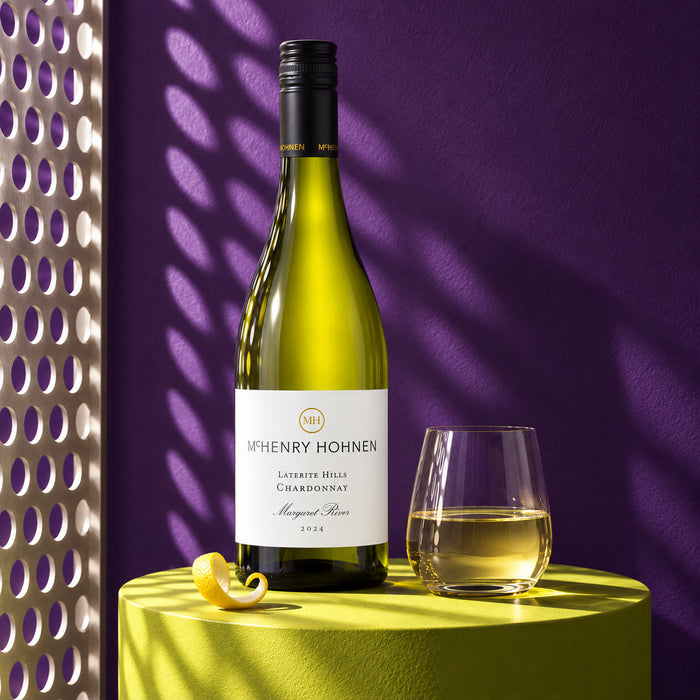
McHenry Hohnen Chardonnay Laterite Hills 2024
A biodynamically farmed Margaret River Chardonnay with freshness, savoury texture and quiet structure. Relaxed yet complete, it has enough depth to follow a meal and works beautifully with roast chicken, seafood or creamy pasta.
Australia Post: Sydney usually next business day. Queensland and Victoria around 2 business days after dispatch. Check your postcode.


At a glance
TasteCitrus, orchard fruit and fine mineral freshness.
Best withSeafood, roast chicken and creamy pasta.
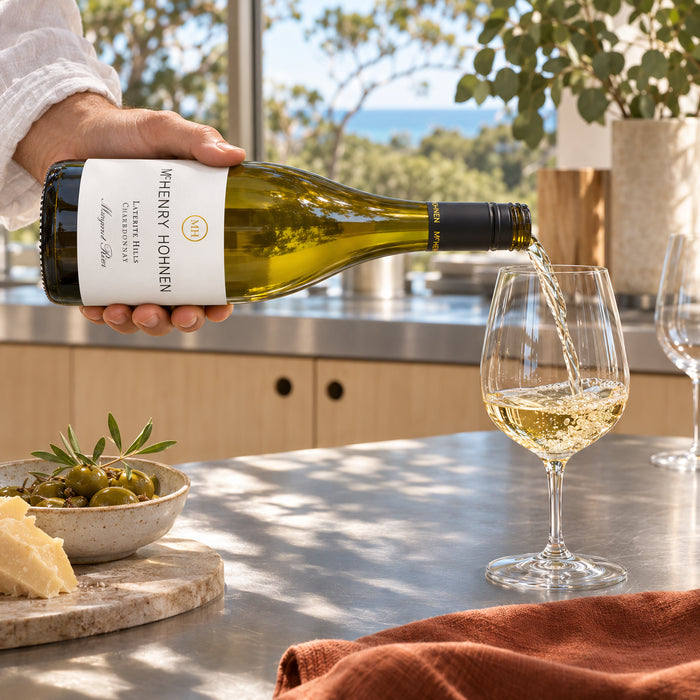
ServeServe chilled, then let it warm gently in the glass so its fruit and texture can open.
FromMargaret River, Western Australia
Bottle facts
The useful details.
- Vintage
- 2024
- Style
- White Wine
- Grape
- Chardonnay, Gingin Clone
- Origin
- Margaret River, Western Australia
- Farming
- Organic · Biodynamic
- Closure
- Scew Cap
- Bottle
- 750ml
Wine passport
The style in seconds.
A quick visual guide for new drinkers, with the useful detail wine lovers expect.
Tasting notes
What you will notice.
Spice
Gentle savoury spice through the finish.
Oak
Subtle oak shape and texture.
Creamy
Silky texture and a rounded finish.
An easy way to choose
What to eat. When to open it.
Best food pairings
 Seafood
 Shellfish
 Oysters

The wine and its maker
The story in the bottle.
A Southern Margaret River Chardonnay with freshness, texture and quiet power
This is Chardonnay with generosity, but also precision. It has the depth and texture people love in the variety, balanced by the long, savoury freshness that defines southern Margaret River.
The first impression is bright and aromatic: lime, white peach and fresh ginger, followed by subtle notes of flint, toasted almond and nougat. The palate is concentrated without feeling heavy, combining ripe stone fruit with fine chalky texture, restrained oak and a clean mineral finish.
It is a serious Chardonnay, but not a difficult one. Pour it with food, give it a little time in the glass and let the layers unfold.
The 2024 vintage
The 2024 growing season began early in Margaret River.
Good winter rainfall was followed by a warm spring, encouraging the vines to develop healthy canopies ahead of schedule. Summer remained warm and dry, with little disease pressure and exceptionally clean fruit at harvest.
The white grapes ripened over a relatively compressed period. They arrived at the winery with expressive flavour, natural concentration and enough acidity to preserve freshness.
For Chardonnay, the season produced a particularly satisfying balance: ripe fruit and generous texture supported by energy, precision and a strong sense of place.
The vineyards
Laterite Hills Chardonnay brings together fruit from McHenry Hohnen’s family-owned vineyards in southern Margaret River, including Hazel’s Vineyard, Calgardup Brook and Burnside.
Each vineyard contributes something different.
Hazel’s Vineyard lies inland near Witchcliffe. Its free-draining ironstone gravel-loam soils and cooling Southern Ocean influence give the wine structure, savoury depth and fine phenolic tension.
Calgardup Brook sits closer to the coast in the cooler Karridale area. Maritime breezes and ancient soils help produce Chardonnay with aromatic lift, purity and mineral drive.
Burnside adds fruit concentration, texture and generosity.
Together, the vineyards create a broader expression of southern Margaret River Chardonnay—layered and complete, while retaining the individuality of the sites from which it comes.
Biodynamic farming
McHenry Hohnen manages its estate vineyards using biodynamic methods, with a long-term focus on soil health, biodiversity and resilient vines.
Rather than treating the vineyard as a simple production system, the team works with it as a living environment. Cover crops improve soil structure and attract beneficial insects. Compost made from grape skins, seeds, stems and local cattle manure is returned to the vineyard after harvest.
Synthetic chemicals are avoided, while native birds, bees and beneficial insects are encouraged to become part of the vineyard’s natural balance.
The aim is healthier soil and fruit that arrives at the winery with clarity, flavour and natural balance already in place.
How is it made?
The Chardonnay grapes are picked by hand and whole-bunch pressed to extract the juice gently.
Fermentation begins naturally with wild yeasts. The juice ferments with its solids in French oak barriques and larger puncheons, including a modest proportion of new oak.
Working with full solids adds texture and savoury complexity, while the restrained use of new oak provides shape without covering the fruit.
Malolactic fermentation is avoided, helping the wine retain its natural acidity and bright citrus character. It then matures in barrel for approximately ten months before bottling.
This is minimal-intervention winemaking, but it is not hands-off. Every stage is carefully managed to preserve the fruit, texture and character of the vineyards.
The McHenry Hohnen story
McHenry Hohnen is a family-owned producer based in the southern part of Margaret River.
Founder Murray McHenry has spent decades developing an approach centred on vineyard health, site expression and careful, sustainable farming. The estate works across three distinctive family vineyards, growing Chardonnay, classic Bordeaux varieties and a small collection of Mediterranean grapes.
In the winery, Japo Dalli Cani leads a team committed to natural fermentation, thoughtful oak use and minimal unnecessary intervention.
The intention is not to impose a house style on every wine. It is to guide the fruit carefully and allow each vineyard and vintage to speak clearly.
Laterite Hills Chardonnay is an excellent introduction to that philosophy. It is made with the same attention given to the estate’s single-vineyard Chardonnays, expressed in a relaxed and immediately enjoyable style.
What does it taste like?
The aroma begins with lime zest, white peach and grilled stone fruit. Fresh ginger adds lift, while flint, toasted almond and a gentle nougat note bring savoury complexity.
On the palate, the wine is concentrated and crystalline.
Stone fruit and citrus sit at the centre, surrounded by subtle oak and a fine, mealy texture. Chalky phenolics give the wine shape, while the acidity remains long, clean and savoury.
The finish is persistent and mineral, with citrus, almond and gentle spice lingering after each sip.
It has richness, but it never feels broad or heavy. Its freshness keeps drawing you back to the glass.
Is it buttery?
Not in the heavy, old-fashioned sense.
The wine has a creamy and gently rounded texture from barrel fermentation and time spent maturing in oak, but it retains bright acidity and a clean mineral line.
Because malolactic fermentation is avoided, the style remains fresher and more precise than a very buttery Chardonnay.
Expect subtle creaminess, fine oak and savoury texture rather than overt butter or vanilla.
Is it sweet?
No. This is a dry Chardonnay.
The ripe peach and citrus flavours can give an impression of generosity, but the wine does not taste sweet. Its fruit is balanced by fresh acidity, chalky texture and a long savoury finish.
Should I decant it?
Decanting is not essential, but the wine benefits from air.
Open the bottle around 15–20 minutes before serving, or simply pour a glass and allow it to develop. As it warms slightly, more of the peach, citrus, flint and nutty complexity will emerge.
Serve at approximately 10–12°C. Avoid serving it ice-cold, as very low temperatures can hide its texture and aroma.
A wide-bowled Chardonnay glass will give the wine enough room to open.
What should I drink it with?
This Chardonnay has enough freshness for seafood and enough texture for richer dishes.
It is particularly good with:
- Grilled prawns, scallops or lobster
- Roast chicken with herbs
- Pan-fried fish with beurre blanc
- Creamy mushroom or seafood pasta
- Risotto
- Soft and washed-rind cheeses
- Vegetable dishes finished with butter, cream or toasted nuts
Its citrus and mineral character refresh the palate, while its texture and restrained oak allow it to follow a meal rather than disappear beside it.
When should I drink it?
The 2024 is already expressive and enjoyable, particularly with some air.
Drink it now for its bright fruit, citrus energy and savoury texture, or cellar it over the next four to six years as the fruit becomes softer and the wine develops more almond, brioche and mineral complexity.
It is equally suited to a seafood dinner, a long lunch or an evening when you want one bottle to carry the whole meal.
At the table
See what to serve with it.


How to enjoy it
Chill, pour and let it open.
Serve chilled, then let it warm gently in the glass so its fruit and texture can open.

Customer reviews