


Tribaut-Schloesser Terroirs Premier Cru Extra Brut NV
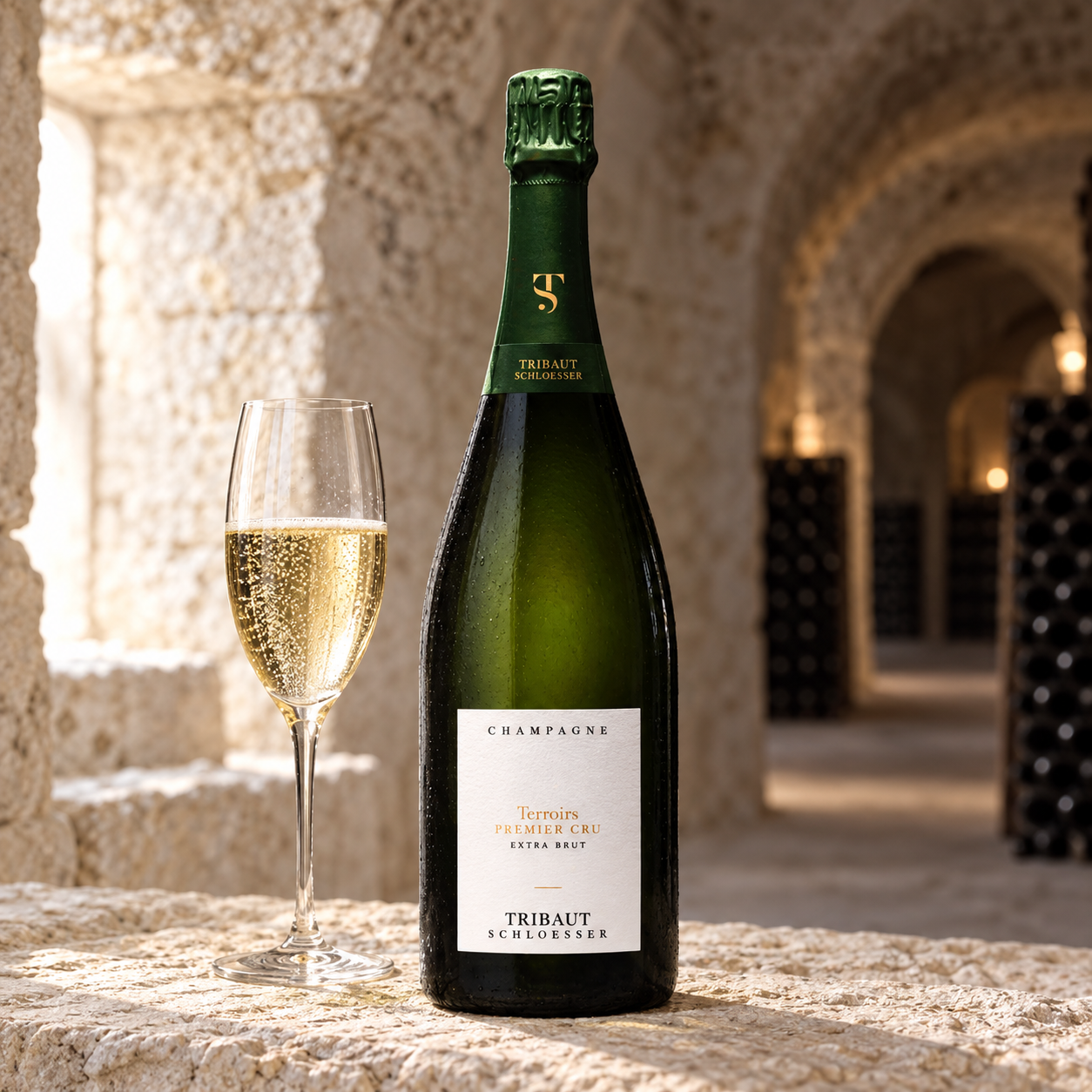
A refined Extra Brut Champagne with fine bubbles, crisp green apple, lemon zest and a chalky mineral line. Dry, focused and quietly elegant, it is a natural choice for oysters, aperitivo or a long celebratory lunch.
Wine Details
Tasting Notes


How This Wine Feels In The Glass
What This Wine Loves With

Seafood

Shellfish

Oysters

Pasta

White Meat

Cheese

Dessert
What We Drink This With.
Pairs beautifully with

SEAFOOD

PASTA

Cheese/dessert
Why we chose this wine
Why we chose Terroirs Premier Cru
This is Champagne with clarity, structure and purpose. Fine bubbles and crisp fruit make it immediately inviting, while its Extra Brut finish keeps the wine dry, mineral and firmly suited to the table. It feels polished enough for a celebration but never too formal for a long lunch.
The cuvée's official name is Tribaut-Schloesser Terroirs Premier Cru Extra Brut. Its Pinot-led blend gives it presence and savoury depth, while Chardonnay brings lift and precision. It is the kind of Champagne that can welcome guests and then stay with the meal.
The name: Tribaut and Schloesser
Tribaut-Schloesser joins two family names. The story began when René Schloesser, a young farmer from Luxembourg, moved to Champagne and met Lucie Coutelas, a grower from the village of Romery. They married in 1927.
When the economic crisis of 1929 led Champagne merchants to stop buying their grapes, René and Lucie decided to bottle and sell their own wine. They began with about 1,000 bottles, which René carried by bicycle to Damery station so they could travel by train to family in Paris for sale.
In 1950 their daughter Suzanne Schloesser married Jean Tribaut, a vineyard worker and cellar hand. The couple combined their family vineyards and created the name used by the house today: Champagne Tribaut-Schloesser.
Four generations in Romery
The family continued to expand the estate after the Second World War. Jean-Marie joined in 1967 to manage the vineyards and cellar, and the present winery was built in 1980 as the family developed its use of large foudres and smaller barrels.
Today the fourth generation, brothers Sébastien and Valentin Tribaut, leads the house. Based in Romery in the Vallée du Brunet, they combine the family's long knowledge of the vineyards with a precise, contemporary approach to blending and maturation.
The Vallée du Brunet and Premier Cru fruit
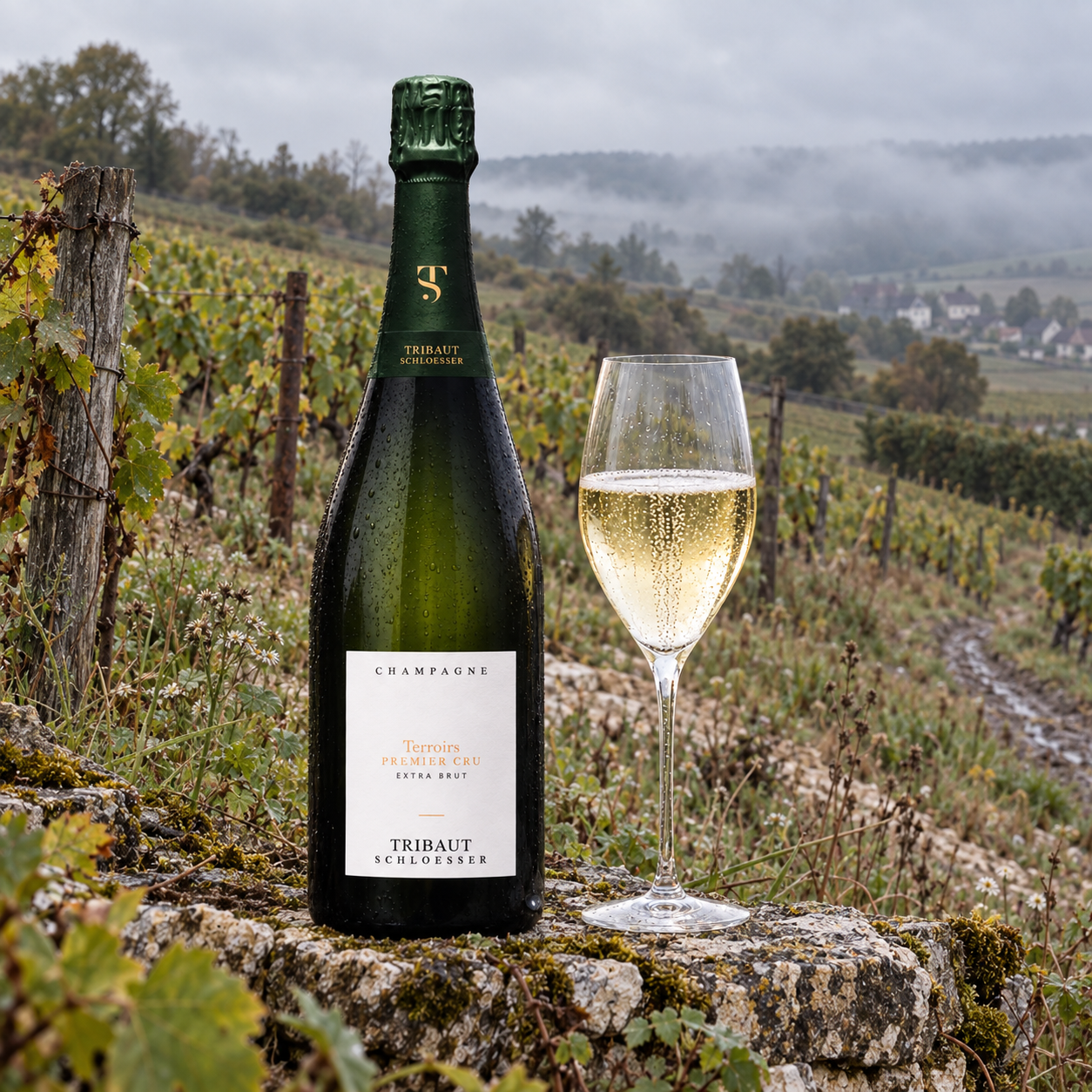
Tribaut-Schloesser's family vineyards sit in the Vallée du Brunet, against the Montagne de Reims. Clay-and-limestone soils associated with the Vallée de la Marne meet the chalkier soils of the Montagne de Reims, while south and south-east exposures give the vines generous light.
Terroirs Premier Cru draws on classified Premier Cru sites. The house describes the cuvée as an expression of highly regarded terroirs beyond the home valley, bringing extra complexity and definition to its Pinot-led style.
The blend and the cellar
The blend is 50% Pinot Noir, 30% Chardonnay and 20% Pinot Meunier. Pinot Noir supplies structure and character, Chardonnay contributes freshness and mineral precision, and Meunier rounds the wine with accessible fruit.
A portion of the reserve wines is matured in cask before blending. The finished Champagne spends around 30 months on lees, developing its fine bead and subtle pastry-like depth. A dosage of approximately 5 grams per litre places it firmly in the Extra Brut style: dry and focused, but not stripped of texture.
What it tastes like
Expect crisp orchard fruit, lemon zest and a touch of apricot, followed by almond, fresh pastry and a chalky mineral line. The bubbles are fine and persistent. On the palate the wine is energetic and clean, with the reserve wines adding gentle breadth before a dry, lingering finish.
How to serve it
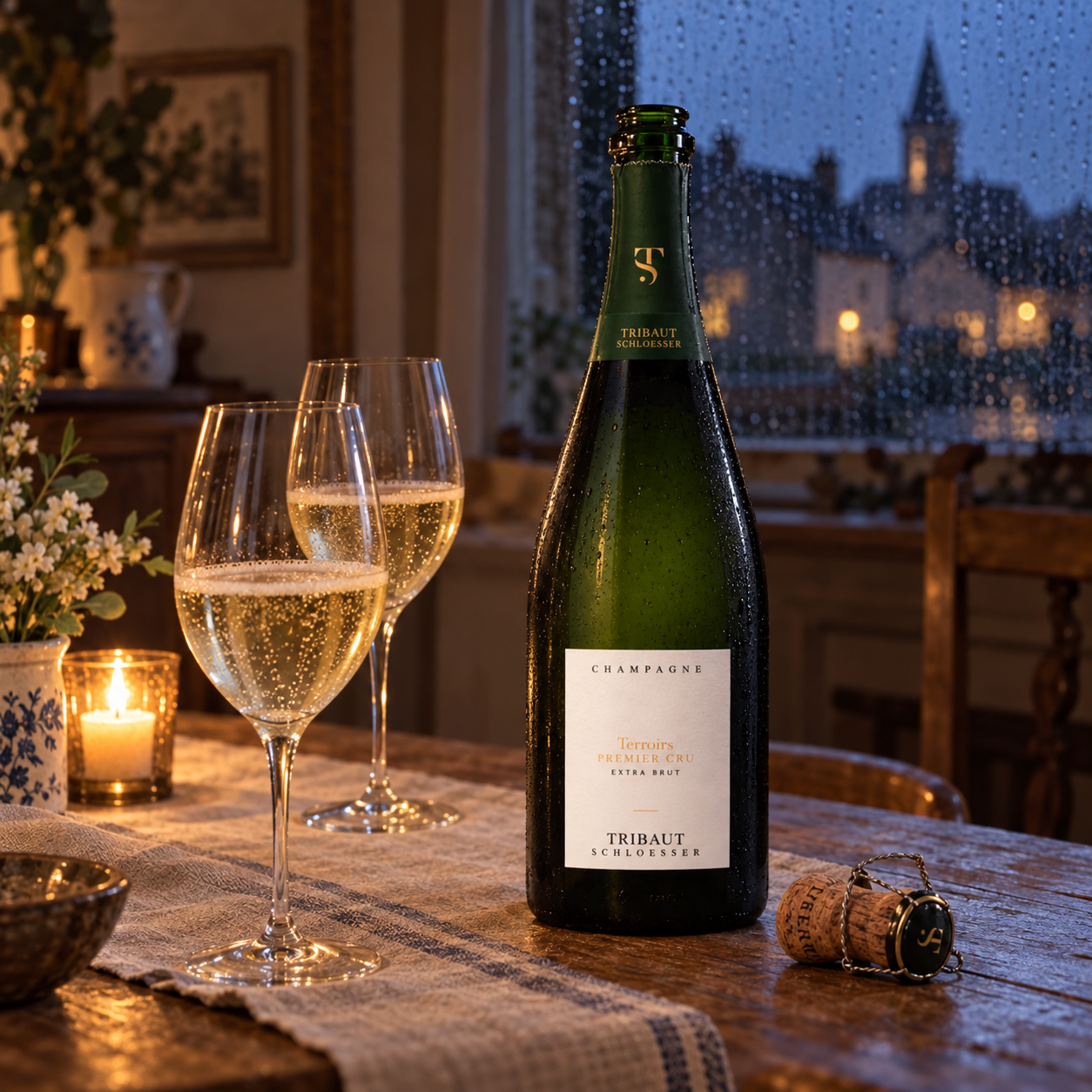
Serve at 8–10°C in a tulip-shaped sparkling-wine glass rather than a narrow flute, giving the aroma room to open while preserving the bead. It is excellent with oysters, shellfish, grilled fish, salty aperitivo snacks and aged hard cheese.
Its Pinot-led structure also makes it convincing with roast poultry or a simply prepared piece of red meat. Open it when you want Champagne to do more than mark the occasion—this is a bottle designed to belong at the table.
Prosecco and Champagne
Tribaut-Schloesser Terroirs Premier Cru Extra Brut NV
A refined Extra Brut Champagne with fine bubbles, crisp green apple, lemon zest and a chalky mineral line. Dry, focused and quietly elegant, it is a natural choice for oysters, aperitivo or a long celebratory lunch.
Australia Post: Sydney usually next business day. Queensland and Victoria around 2 business days after dispatch. Check your postcode.

At a glance
TasteCitrus, orchard fruit and fine mineral freshness.
Best withSeafood, roast chicken and creamy pasta.
ServeServe well chilled and pour gently to keep the bubbles lively.
FromChampagne, France
Bottle facts
The useful details.
- Vintage
- NV
- Style
- Champagne
- Grape
- Chardonnay, Pinot Noir, Pinot Meunier
- Origin
- Champagne, France
- Farming
- Organic
- Appellation
- Champagne AOC
- Closure
- Cork
- Bottle
- 750 ML
Wine passport
The style in seconds.
A quick visual guide for new drinkers, with the useful detail wine lovers expect.
Tasting notes
What you will notice.
Mineral
Clean, stony freshness in the glass.
Floral
A delicate aromatic lift.
Creamy
Silky texture and a rounded finish.
An easy way to choose
What to eat. When to open it.
Best food pairings
 Seafood
 Shellfish
 Oysters

The wine and its maker
The story in the bottle.
Why we chose Terroirs Premier Cru
This is Champagne with clarity, structure and purpose. Fine bubbles and crisp fruit make it immediately inviting, while its Extra Brut finish keeps the wine dry, mineral and firmly suited to the table. It feels polished enough for a celebration but never too formal for a long lunch.
The cuvée's official name is Tribaut-Schloesser Terroirs Premier Cru Extra Brut. Its Pinot-led blend gives it presence and savoury depth, while Chardonnay brings lift and precision. It is the kind of Champagne that can welcome guests and then stay with the meal.
The name: Tribaut and Schloesser
Tribaut-Schloesser joins two family names. The story began when René Schloesser, a young farmer from Luxembourg, moved to Champagne and met Lucie Coutelas, a grower from the village of Romery. They married in 1927.
When the economic crisis of 1929 led Champagne merchants to stop buying their grapes, René and Lucie decided to bottle and sell their own wine. They began with about 1,000 bottles, which René carried by bicycle to Damery station so they could travel by train to family in Paris for sale.
In 1950 their daughter Suzanne Schloesser married Jean Tribaut, a vineyard worker and cellar hand. The couple combined their family vineyards and created the name used by the house today: Champagne Tribaut-Schloesser.
Four generations in Romery
The family continued to expand the estate after the Second World War. Jean-Marie joined in 1967 to manage the vineyards and cellar, and the present winery was built in 1980 as the family developed its use of large foudres and smaller barrels.
Today the fourth generation, brothers Sébastien and Valentin Tribaut, leads the house. Based in Romery in the Vallée du Brunet, they combine the family's long knowledge of the vineyards with a precise, contemporary approach to blending and maturation.
The Vallée du Brunet and Premier Cru fruit
Tribaut-Schloesser's family vineyards sit in the Vallée du Brunet, against the Montagne de Reims. Clay-and-limestone soils associated with the Vallée de la Marne meet the chalkier soils of the Montagne de Reims, while south and south-east exposures give the vines generous light.
Terroirs Premier Cru draws on classified Premier Cru sites. The house describes the cuvée as an expression of highly regarded terroirs beyond the home valley, bringing extra complexity and definition to its Pinot-led style.
The blend and the cellar
The blend is 50% Pinot Noir, 30% Chardonnay and 20% Pinot Meunier. Pinot Noir supplies structure and character, Chardonnay contributes freshness and mineral precision, and Meunier rounds the wine with accessible fruit.
A portion of the reserve wines is matured in cask before blending. The finished Champagne spends around 30 months on lees, developing its fine bead and subtle pastry-like depth. A dosage of approximately 5 grams per litre places it firmly in the Extra Brut style: dry and focused, but not stripped of texture.
What it tastes like
Expect crisp orchard fruit, lemon zest and a touch of apricot, followed by almond, fresh pastry and a chalky mineral line. The bubbles are fine and persistent. On the palate the wine is energetic and clean, with the reserve wines adding gentle breadth before a dry, lingering finish.
How to serve it
Serve at 8–10°C in a tulip-shaped sparkling-wine glass rather than a narrow flute, giving the aroma room to open while preserving the bead. It is excellent with oysters, shellfish, grilled fish, salty aperitivo snacks and aged hard cheese.
Its Pinot-led structure also makes it convincing with roast poultry or a simply prepared piece of red meat. Open it when you want Champagne to do more than mark the occasion—this is a bottle designed to belong at the table.
At the table
See what to serve with it.


How to enjoy it
Chill, pour and celebrate.
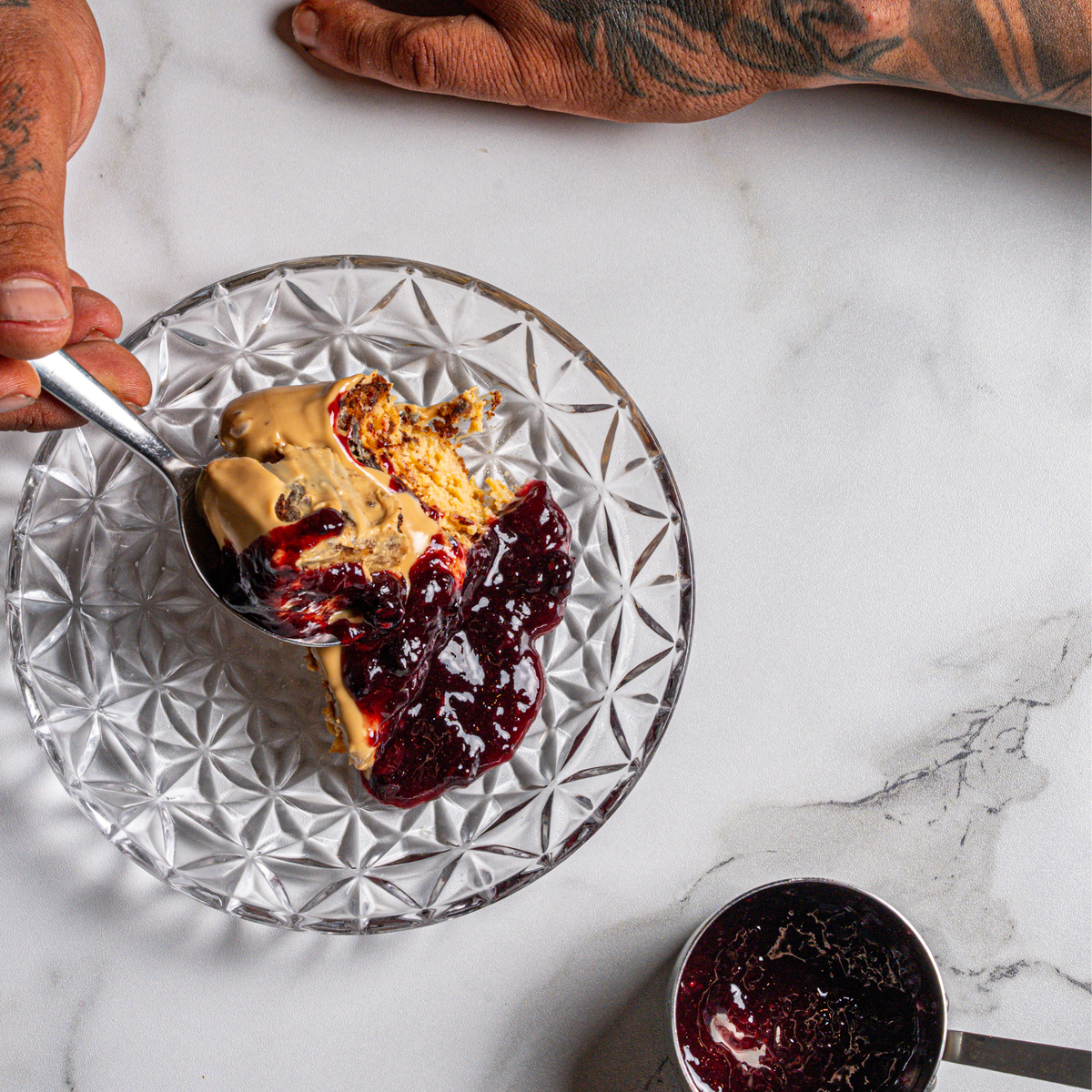
Serve well chilled and pour gently to keep the bubbles lively.

Customer reviews